
BRASS CHOWKI
-
Sacred Mini‑Height Brass Chowki
0.278 kg
Shop NowRegular price Rs. 840.00Regular priceRs. 1,680.00Sale price Rs. 840.00 50% offSale -
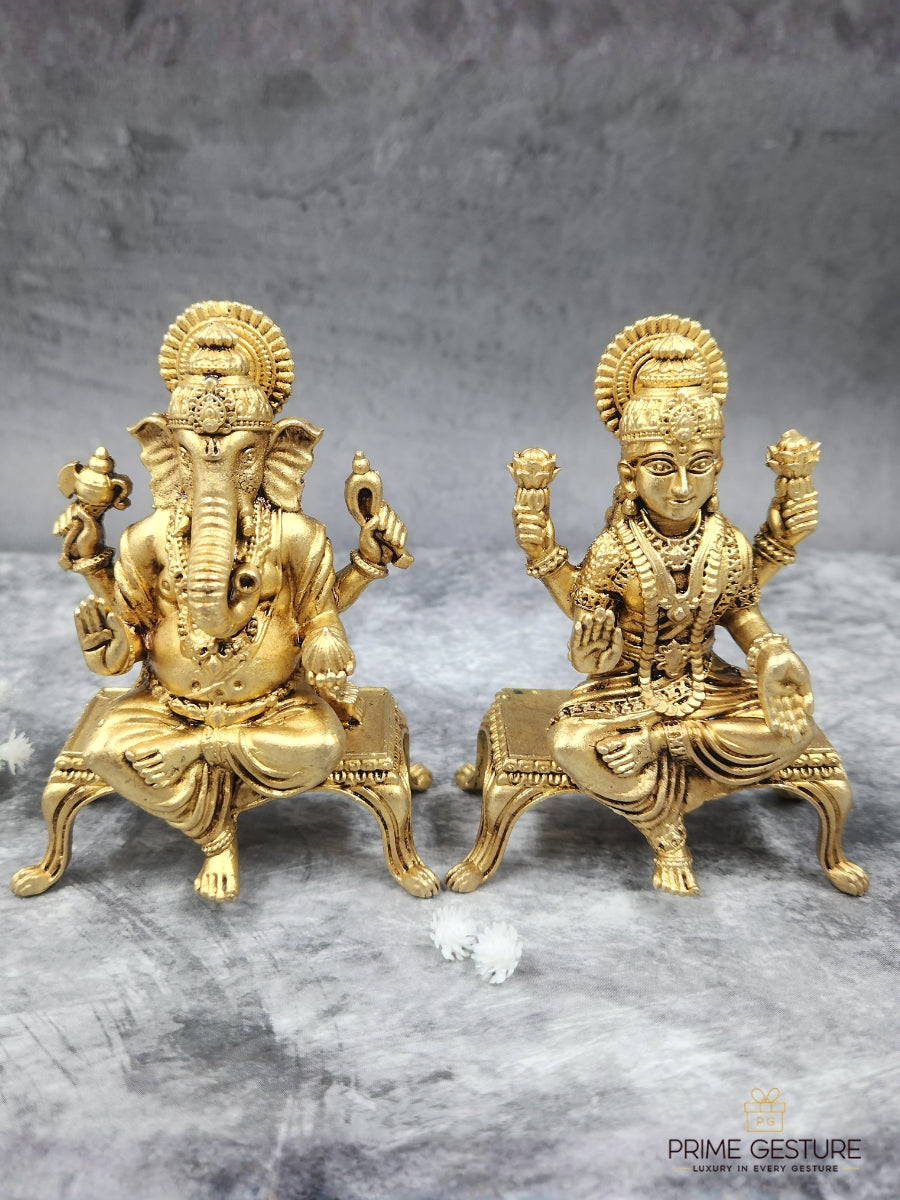
Brass Lakshmi Ganesh Chowki – A Centered Space for Daily Devotion
0.51 kg
Shop NowRegular price Rs. 5,400.00Regular priceRs. 10,800.00Sale price Rs. 5,400.00 50% offSale -
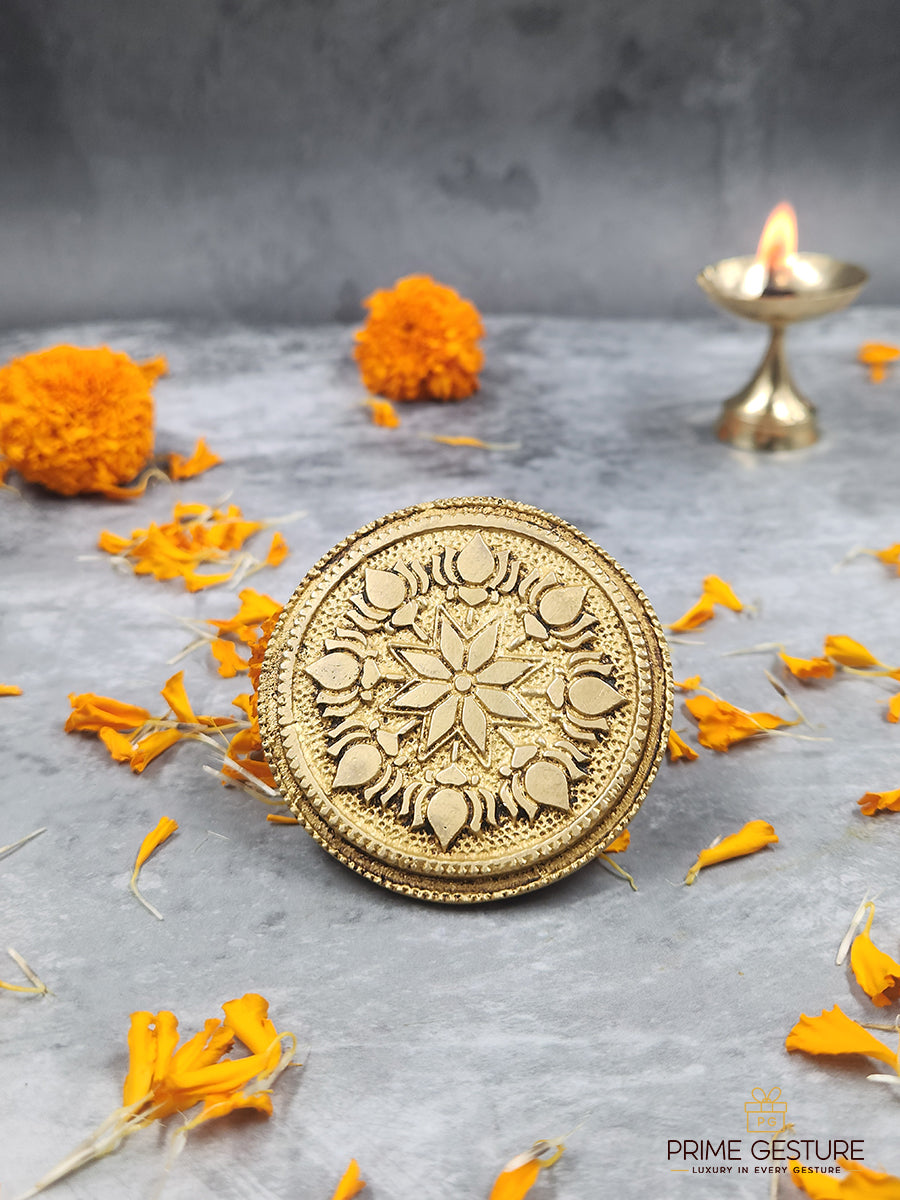
Auspicious Round Brass Pooja Chowki
0.353 kg
Shop NowRegular price Rs. 1,000.00Regular priceRs. 2,000.00Sale price Rs. 1,000.00 50% offSale -
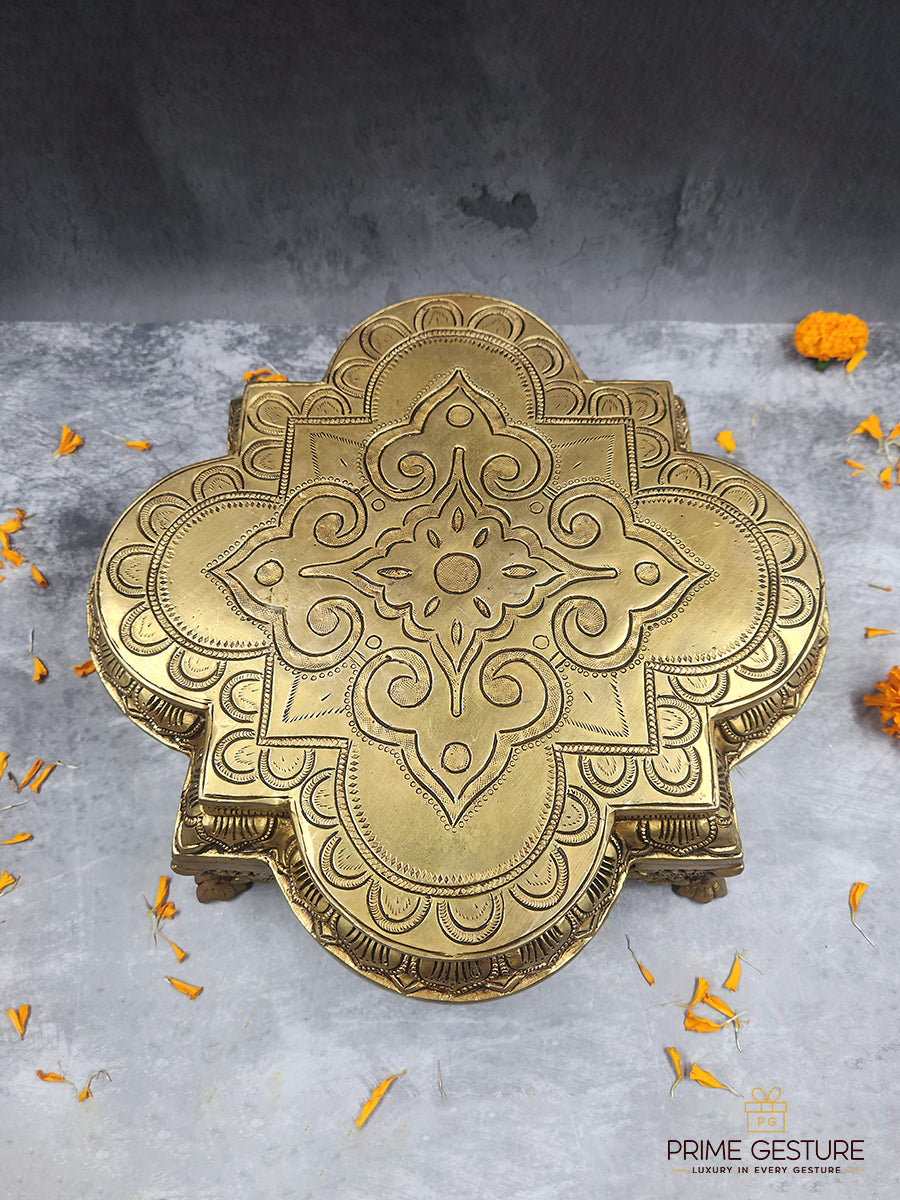
Elegant Antique Brass Square Chowki
4.87 kg
Shop NowRegular price Rs. 10,000.00Regular priceRs. 20,000.00Sale price Rs. 10,000.00 50% offSale

Why a Chowki Matters in Every Home Mandir
A pooja chowki is not optional. Hindu Vastu and shastric tradition are clear on this point — an idol should always sit on an elevated, clean platform. Placing a deity directly on the floor is considered disrespectful, and placing it directly on a mandir shelf without a chowki is incomplete. The raised seat acknowledges the deity's higher position and creates the sacred boundary between the divine figure and the everyday surface beneath.
This is why every traditional Indian home temple has at least one chowki, often several. Small ones for individual idols. Larger ones for grouped deity arrangements. A dedicated chowki for Lakshmi-Ganesh sets during Diwali. The chowki is the unspoken foundation of the entire setup.
Types of Brass Chowki and Their Uses
A brass chowki comes in several traditional designs, each suited to a different worship setup:
- Plain square chowki — the most common form, ideal for a single deity idol of any kind.
- Octagonal chowki — the eight-sided form, often used for Lakshmi or Vishnu idols where the eight directions are symbolically honoured.
- Embossed chowki — featuring carved motifs of lotus, swastika, or Om symbols, used for festive or premium setups.
- Multi-level chowki — small stepped designs for arranging multiple deities at slightly different heights.
- Floor chowki (asana) — a larger, lower version used as a worshipper's seat during long puja sessions.
Choosing the Right Size Chowki for Your Idol
The chowki should match the idol it carries. A 6-inch Ganesha looks lost on a 12-inch chowki, and a 12-inch deity overflows a 4-inch one. The simple rule: the chowki's top surface should be slightly larger than the idol's base — by roughly one to two inches on each side. This gives the idol a clean visual frame without leaving awkward empty platform.
For a Brass chowki for Lakshmi Ganesh set — the most common purchase in Indian homes during Diwali — pick a rectangular or wide square design that accommodates both deities side by side. The two idols should sit comfortably with a small gap between them, not crammed edge to edge. Most Lakshmi-Ganesh sets pair beautifully with a 6 to 8 inch chowki.
Vastu Rules for Placing a Chowki
Where you place a chowki for mandir matters as much as which chowki you choose. Follow these traditional guidelines:
- Position the chowki in the North-East corner of the pooja room — the most sacred direction in Vastu.
- The chowki itself should sit on a clean, dry surface — a marble platform, wooden mandir shelf, or stone base.
- Never place the chowki directly on a carpet, mat, or fabric — these absorb moisture and dirt over time.
- The deity on the chowki should face east or west; the chowki simply orients with the deity.
- Wipe the chowki clean every morning before lighting the diya — this is part of daily seva.
Daily Use: The Chowki Beyond Just a Stand
A brass chowki for pooja does more than raise an idol. During festivals and special occasions, the chowki itself becomes part of the worship — anointed with kumkum, decorated with flowers, and used as the platform for offering bhog and lighting diyas.
During Lakshmi Puja on Diwali night, the chowki is decorated with rangoli around its base, marigolds at its corners, and rice grains on its surface. During Ganesh Chaturthi, the murti is installed on the chowki with a small abhishekam ceremony. During Navratri, the goddess idol on the chowki is offered fresh garlands every day. The chowki is the stage on which the deity's daily life at home plays out.
Why Brass Is the Best Material for a Chowki
Wooden chowkis are common and inexpensive — but they warp with humidity, attract termites in Indian climates, and absorb spilled oil and water over time. Steel chowkis are durable but feel cold and modern, lacking the sacred warmth of traditional pooja items. Plated chowkis chip and lose their finish within a year or two.
A solid brass chowki sidesteps all of these problems. Brass does not warp, rust, attract pests, or lose its structure. It carries the auspicious metal status that Indian tradition associates with sacred objects — the same metal used in diyas, kalash, and the idols themselves. And it develops a warm antique patina with years of worship, growing more beautiful rather than dulling.
Why a Brass Chowki Makes a Thoughtful Gift
Most gifts at Indian housewarmings and weddings are idols, urlis, or decor pieces. A brass pooja chowki is the unexpected and far more useful gift — because everyone setting up a home temple needs one, and most people forget to buy one. Our customers often gift chowkis for:
- Housewarming and Griha Pravesh — pairing it with a small Ganesha or Lakshmi-Ganesh set
- Wedding gifts for couples setting up their first home temple
- Diwali, when a new chowki refreshes the festive pooja setup
- Gifting alongside a Brass chowki for Lakshmi Ganesh pair as a complete worship-ready set
- Birthday or anniversary gifts for elders maintaining traditional pooja practices
How to Care for Your Brass Pooja Chowki
A brass pooja chowki is one of the lowest-maintenance items in the home temple. Wipe it with a soft dry cloth every morning during your daily pooja routine. If spilled water, oil, or kumkum settles on the surface, wipe it off immediately with a soft cloth — the longer it sits, the harder it is to remove without damaging the patina.
Avoid harsh chemical cleaners, abrasive scrubbers, and acidic polishes. The antique finish that develops over months and years is considered auspicious in traditional thinking — it represents the chowki being "seasoned" with daily devotion. A chowki cared for this way easily serves a family for two or three generations.
Why Buy a Brass Chowki From Prime Gesture
- Solid brass quality — Hand-cast pieces with antique finish that ages beautifully. No plating, no hollow shortcuts, no thin sheet metal.
- Range of sizes and designs — Plain chowkis for single idols, embossed designs for premium altars, and wider rectangular chowkis for Lakshmi-Ganesh and Ram Darbar sets.
- Stable construction — Every chowki is weighted properly so it does not tip with the load of a heavy brass idol.
- Safe packaging — Brass pieces are dispatched in reinforced packaging and reach you damage-free.
- Trusted pan-India delivery — Free shipping, cash on delivery, and easy returns on every order.
Explore Related Collections
To complete your home temple setup, pair your brass chowki with these collections:
- Lakshmi Ganesh Idol Set — the most common deity pair to place on a brass chowki
- God Idols — full range of brass god idols for home mandir
- Lakshmi Idol — individual brass Lakshmi idols
- Lord Ganesha Idol — handcrafted Ganesha idols for daily worship
- Brass Urli Diya — brass diyas and urlis to complete the pooja arrangement
Frequently Asked Questions
What is a pooja chowki and why is it needed?
What size chowki for mandir should I buy?
Where should a brass pooja chowki be placed?
Why choose a brass chowki over wooden or steel?
Can I gift a brass pooja chowki?
How do I clean a brass chowki?
Can one chowki hold multiple idols?
Let customers speak for us

A truly divine idol! The craftsmanship is flawless, and the brass polish gives it an antique yet elegant appeal. It radiates positive energy and adds grace to my pooja room. Worth every penny for such quality.

This Lord Garud Idol is a beautiful representation of devotion and protection. The craftsmanship is top-notch, and the detailing is done with care. The idol feels sturdy, heavy, and radiates spiritual strength. Excellent quality for the price!

This Laxmi Ganesh Statue has an elegant silver polish and amazing detailing. It’s lightweight yet feels luxurious. The idol perfectly captures divine expressions and brings blessings of prosperity. I placed it in my pooja room, and it looks simply divine.

The detailing on this Vishnu Lakshmi idol is exceptional! Each element, from the expressions to the posture, reflects skilled craftsmanship. The idol emits divine energy and fits perfectly in my sacred space. Worth every rupee for its beauty and spiritual essence.

This Brass Laddu Gopal idol is so divine and beautifully made. The craftsmanship is detailed, and the expression is full of innocence. Perfect for my pooja altar!

Impressive finish and shine! The idol has a beautiful antique touch that adds to its charm. It’s a great gift for anyone starting a new business or home.

This Nandi idol has incredible detailing and a calm, spiritual presence. It’s sturdy, heavy, and crafted with precision. Perfect for pooja and home décor.

Beautifully made Ram Darbar idol with fine attention to detail. The antique finish gives it a traditional touch that blends perfectly with my pooja décor.

The idol beautifully captures the divine charm of Lord Ram. The brass work is intricate, and it feels blessed to have it in my home. Excellent product quality.

Such a calming and artistic idol of Lord Ganesha. The finishing is smooth and the brass quality feels premium. Ideal for gifting during festivals.

Excellent traditional décor item. The idol has a positive aura and fine detail work. The brass quality feels durable, and it comes ready to hang. Totally worth the price.

Absolutely stunning piece! The statue symbolizes wisdom and knowledge beautifully. The craftsmanship is top-notch, and the brass material feels premium. It adds an intellectual yet spiritual touch to my desk.

The sculpture is full of grace and intricate detailing. The antique brass polish gives it a royal look. It radiates positivity and makes my altar feel complete. Great addition to my collection.

Superb craftsmanship! The idol gives off strong protective vibes. The antique polish looks authentic, and it feels solid in hand. I’ve placed it near the entrance — everyone compliments it.

Absolutely amazing product! The idol radiates positivity and grace. You can feel the divine presence when you place it in your space. Highly recommended for gifting during Ganesh Chaturthi or housewarming.