
BRASS GODDESS IDOLS
-
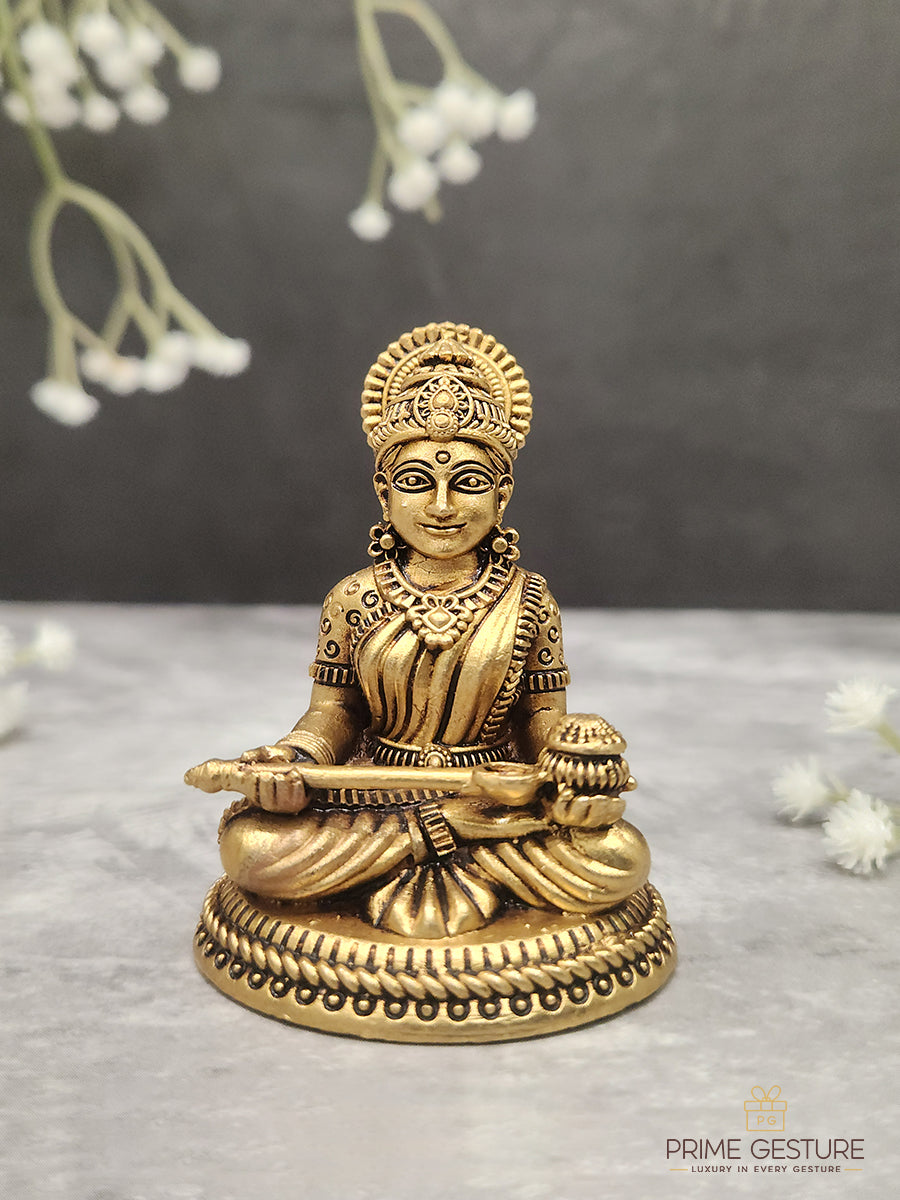
Brass Maa Annapurna Devi Idol
0.053 kg
Shop NowRegular price Rs. 900.00Regular priceRs. 1,800.00Sale price Rs. 900.00 50% offSale -
Wax Durga Mata Ji Idol – Strength, Protection & Inner Courage
0.09 kg
Shop NowRegular price Rs. 960.00Regular priceRs. 1,920.00Sale price Rs. 960.00 50% offSale -
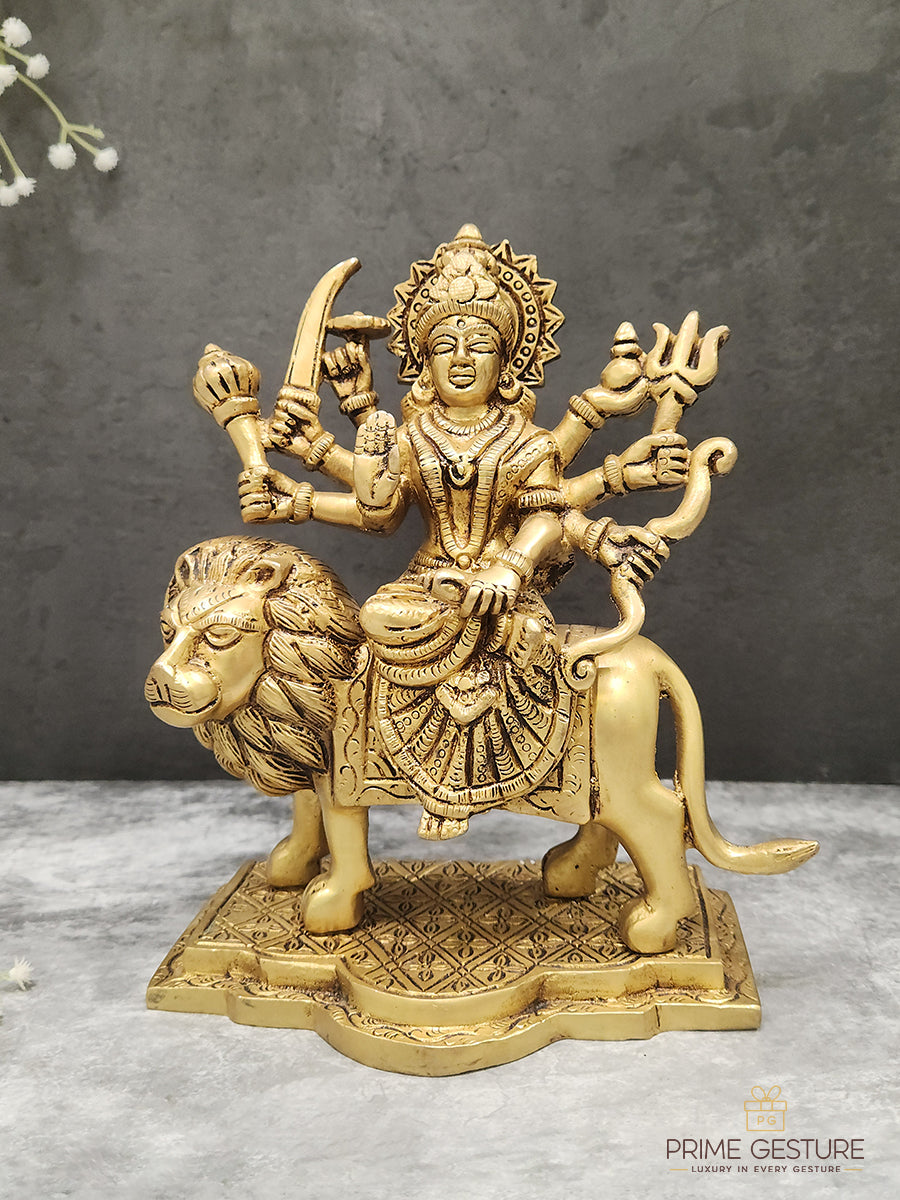
Brass Maa Durga Idol on Lion
3.0 kg
Shop NowRegular price Rs. 7,400.00Regular priceRs. 14,800.00Sale price Rs. 7,400.00 50% offSale -
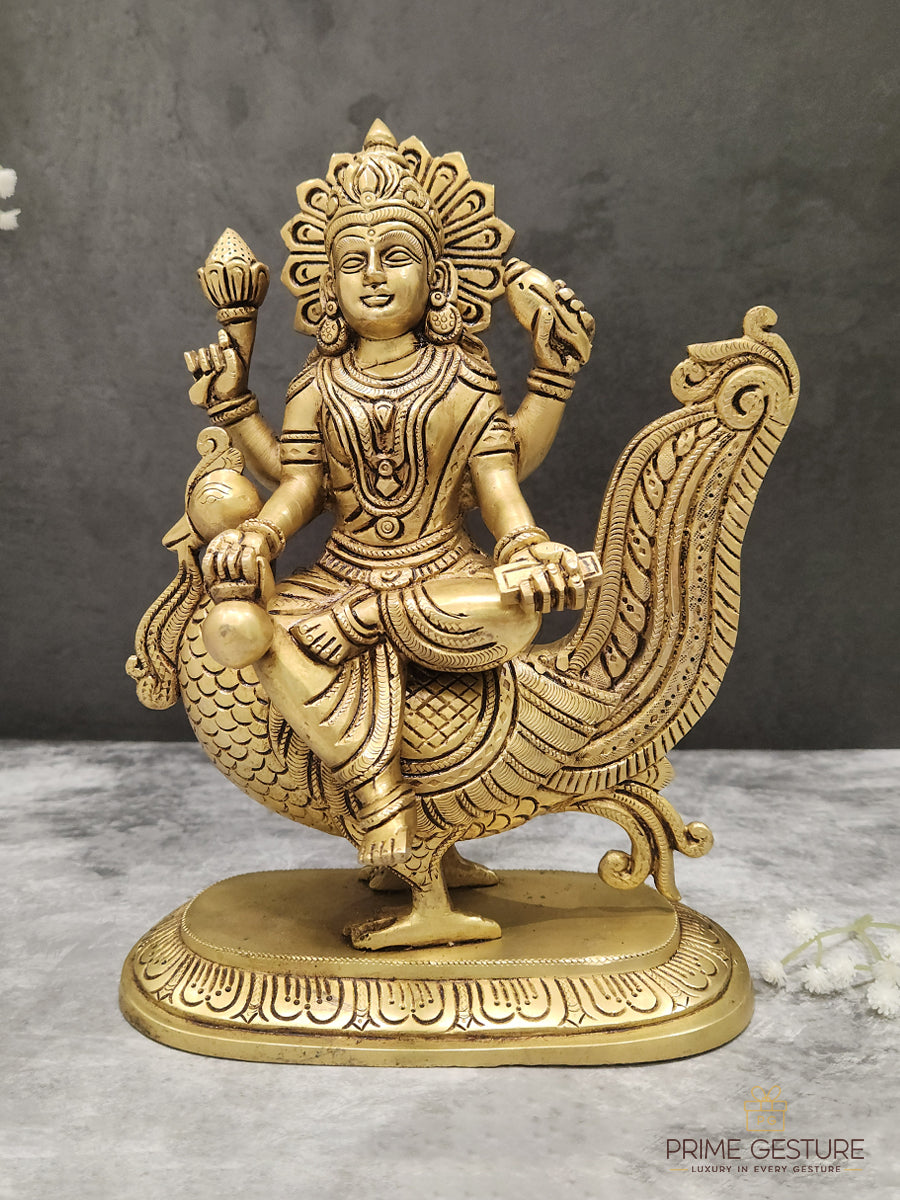
Brass Lord Murugan Idol on Peacock
3.4 kg
Shop NowRegular price Rs. 7,800.00Regular priceRs. 15,600.00Sale price Rs. 7,800.00 50% offSale -
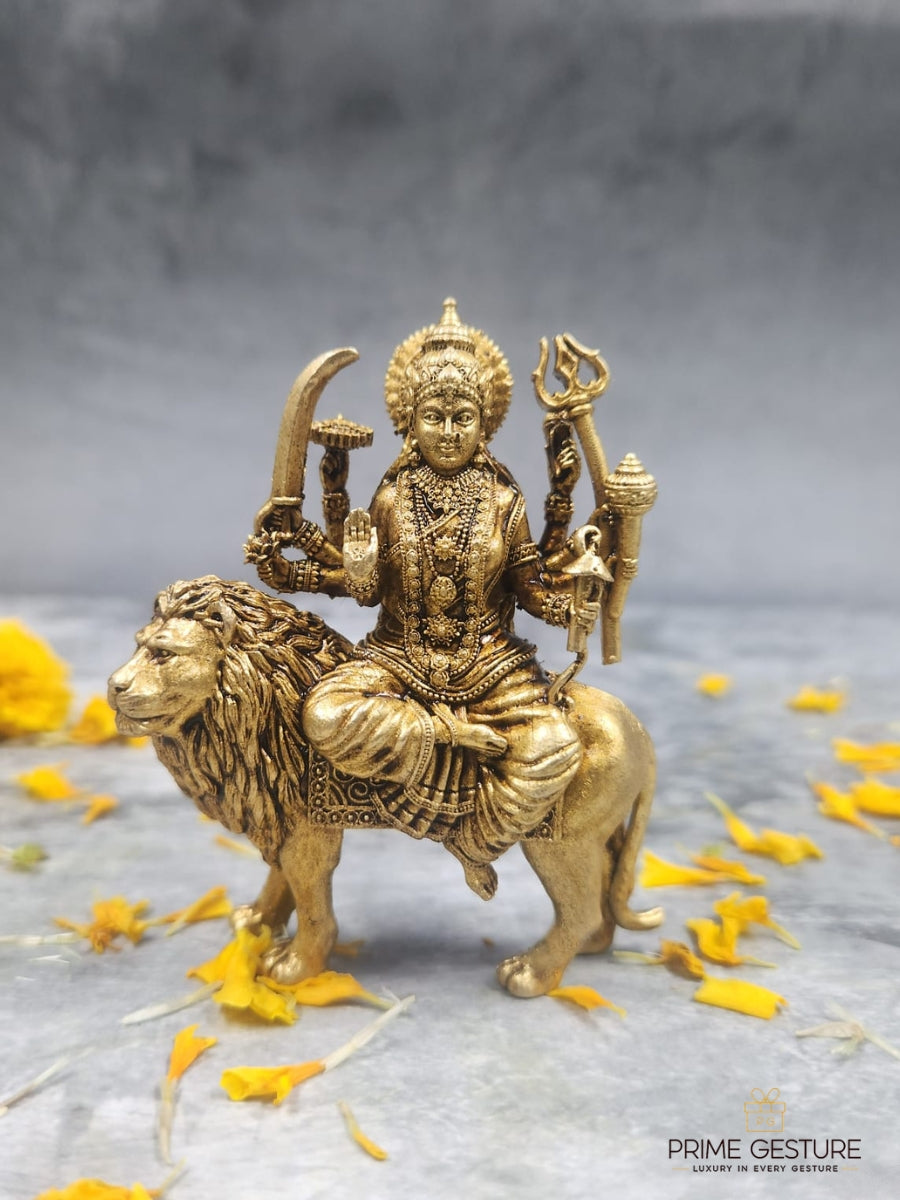
Divine Brass Sherawali Maa Idol
0.6 kg
Shop NowRegular price Rs. 5,000.00Regular priceRs. 10,000.00Sale price Rs. 5,000.00 50% offSale -
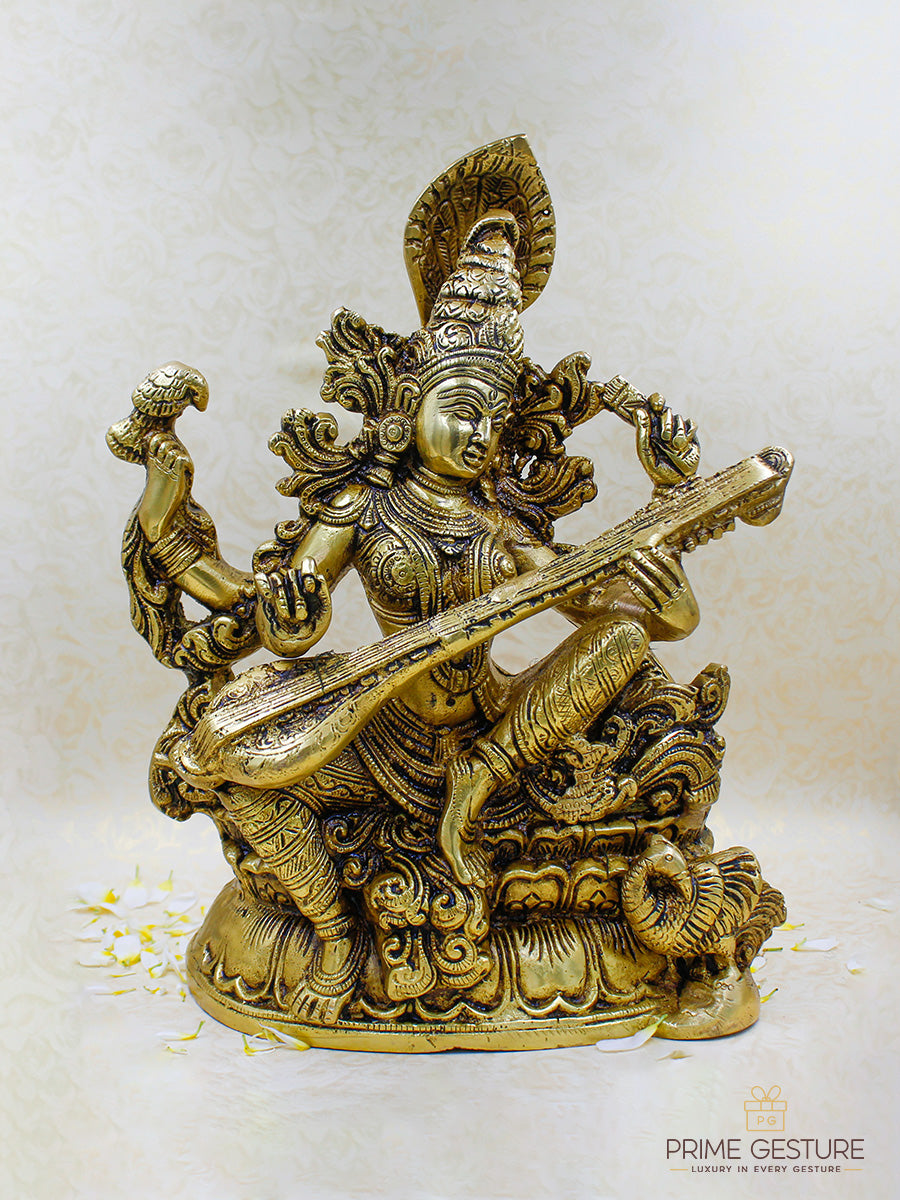
Brass Maa Saraswati Statue Seated on Lotus
5.48 kg
Shop NowRegular price Rs. 13,000.00Regular priceRs. 26,000.00Sale price Rs. 13,000.00 50% offSale

Brass Goddess Idols for Home Pooja - Handcrafted Devi Murti Collection
A brass goddess idol carries the most quietly powerful presence in any Indian home temple. Goddesses in Hindu tradition - Saraswati for wisdom, Annapurna for nourishment, Durga for protection, Lakshmi for prosperity, Pratyangira for fierce defence - each address a distinct part of daily life. Together they form the feminine energy that an Indian household turns to in different seasons of life. At Prime Gesture, our handcrafted goddess idols collection brings these devis into your pooja room in solid brass, finished with the warmth that resin or plated alternatives cannot match.
Each piece in our brass pooja idols range is cast by skilled artisans and polished to a warm antique golden tone. Whether you are setting up a complete pooja space, adding a specific goddess for a particular purpose, or gifting a meaningful idol for a wedding or housewarming, browse the collection below and find the devi murti that speaks to your home.
Why Goddess Idols Belong in Every Indian Home
In Hindu tradition, the feminine divine — Shakti - is the active energy that powers the universe. The masculine deities are often described as latent without their corresponding goddesses. This is why most Indian homes keep multiple goddess idols rather than just one, and why brass idols for pooja room arrangements almost always include several devis side by side.
Each goddess addresses a different domain of life. Saraswati for children studying for exams. Annapurna for the kitchen and the family's daily nourishment. Durga for protection during difficult periods. Lakshmi for steady prosperity. Pratyangira for fierce protection when ordinary remedies are not enough. A complete pooja room often holds three to five goddess forms working together - which is exactly what this collection is built for.
Maa Saraswati Idol - The Goddess of Wisdom and Learning
Maa Saraswati is the goddess of knowledge, music, arts, and learning. A maa saraswati idol is traditionally placed on a student's study desk, in a child's room, or in the pooja room facing west. She is depicted with four arms holding a veena (musical instrument), a book, prayer beads, and a lotus - each symbolising a different facet of wisdom.
Families with school or college students often bring home a Saraswati idol before exam seasons begin. Vasant Panchami, in late January or early February, is her dedicated festival and is considered the most auspicious day to install a new Saraswati idol or begin a child's formal education. Our handcrafted brass Maa Saraswati pieces are cast with detailed iconography - the veena, the swan vahana, and the seated lotus posture all rendered in traditional form.
Maa Annapurna Idol - The Goddess of Nourishment
Maa Annapurna is one of the few deities welcomed into the Indian kitchen. A maa annapurna idol is traditionally placed on a clean shelf near the cooking area, facing east, and a diya is lit before the first meal of the day. She is the goddess who ensures that the household never lacks food, and her worship is rooted in gratitude for the nourishment that comes through the kitchen every day.
Annapurna is depicted holding a ladle and a vessel of food, often with Lord Shiva accepting alms from her - a reminder that even the gods receive nourishment from her. For families running joint households, restaurants, catering businesses, or anyone whose work involves feeding others, an Annapurna idol carries direct relevance. The Annapurna Stotram recited daily is a traditional practice. Our handcrafted brass Maa Annapurna pieces show her seated posture, ladle in hand, finished in antique brass that suits both home pooja rooms and kitchen altars.
Maa Durga and Ambe Maa - The Warrior Mother
Maa Durga is the warrior form of the goddess - the slayer of demons and the protector of the universe. Ambe Maa is one of her affectionate household names, especially in Gujarat and parts of North India. Searches like ambe maa murti online shopping reflect the regional devotion this form carries, particularly during Navratri when nine forms of the goddess are worshipped over nine nights.
Durga is depicted with eight or ten arms, each carrying a weapon, riding a lion or tiger. Her placement in the home is slightly different from gentler goddesses - she prefers a more spacious altar, often a separate small chowki rather than crowded with other deities. For our complete range of Durga and Ambe forms, see our dedicated Maa Durga Idols collection.
Maa Lakshmi - The Goddess of Prosperity
Maa Lakshmi is the goddess of wealth, prosperity, and abundance. She is the most worshipped goddess form in Indian homes, with Diwali night dedicated entirely to her annual welcome. Lakshmi is depicted standing or seated on a lotus, with two elephants showering her with water in the Gajalakshmi form, and is worshipped daily in most household pooja rooms.
For the complete Lakshmi range - standing Lakshmi, Gajalakshmi, Ashta Lakshmi, and Diwali pair sets - see our dedicated Lakshmi Idol collection, or browse our Lakshmi-Ganesh sets for the most popular Diwali and housewarming arrangement.
Pratyangira Devi - The Fierce Protector
Pratyangira Devi is the lion-faced goddess invoked for protection against severe negativity, black magic, and prolonged obstacles that conventional remedies have not addressed. She is depicted with a fierce lion face and a human body, and her worship is for sincere households willing to maintain daily reverence - typically a ghee diya at sunset on Tuesdays and Fridays.
She prefers a quiet, secluded spot in the pooja room rather than a busy altar with other deities. Pratyangira is not a casual deity to install, but for households facing prolonged challenges she is one of the most powerful protective goddesses in Hindu tradition.
Vastu Placement Guidelines for Goddess Idols
Correct placement helps each goddess work as intended. Follow these traditional guidelines:
- Most goddesses face west, with the worshipper facing east while seated - Lakshmi, Saraswati, Durga, and Lakshmi-Ganesh sets all follow this pattern.
- Maa Annapurna is the exception - she faces east and is the one goddess welcomed into the kitchen.
- Place goddess idols in the north-east corner of the pooja room - the most sacred direction in Vastu.
- Keep idols on a brass chowki or raised platform, never directly on the floor or shelf surface.
- Avoid placing goddess idols in the bedroom, bathroom, or directly under a staircase.
- Light a diya on the goddess's dedicated day - Friday for Lakshmi, Tuesday and Friday for Durga, daily for Annapurna, Vasant Panchami for Saraswati.
Why Brass Is the Right Choice for a Goddess Idol
Goddess idols are sold in resin, ceramic, marble, and metal. Brass remains the traditional and most durable choice. A solid brass idol carries depth of detail - the goddess's ornaments, the folds of her saree, the expression on her face - that softer materials cannot hold. Brass also lasts for generations and develops a beautiful antique patina with worship.
Every brass pooja idol in our collection is cast using traditional sand-mould techniques, hand-finished by artisans, and polished to a warm antique tone. We do not stock plated, hollow, or machine-stamped pieces. For families building a complete pooja room arrangement, brass also ensures visual consistency - all goddess idols sit together with the same finish and presence.
Popular Occasions to Gift a Goddess Idol
A brass goddess idol is one of the most meaningful gifts in Indian gifting tradition. The right goddess matches the right occasion:
- Saraswati idol - for students starting a new academic year, exam preparation, or Vasant Panchami
- Annapurna idol - for housewarmings, new restaurants or food businesses, and gifts to mothers and homemakers
- Durga Maa idol - for Navratri, new home protection, and women's milestone moments
- Lakshmi idol - for Diwali, Dhanteras, business openings, and wedding gifts
- Pratyangira Devi - for serious devotees and households setting up a dedicated sadhana altar
Why Buy Brass Goddess Idols From Prime Gesture
- Complete devi range - Saraswati, Annapurna, Durga, Lakshmi, Pratyangira, and more under one collection, finished consistently so the pieces sit beautifully together in a pooja room.
- Solid brass quality - Hand-cast pieces with authentic antique finish that ages beautifully. No plating, no hollow shortcuts.
- Authentic iconography - Each goddess is cast with traditional posture, correct attributes in the hands, and proportions that match classical Hindu iconography.
- Safe packaging - Heavy brass idols are dispatched in reinforced packaging and reach you damage-free.
- Trusted pan-India delivery - Free shipping, cash on delivery, and easy returns on every order.
Frequently Asked Questions
Which goddess idol should I keep at home?
Where should goddess idols be placed in the home?
Can I keep different goddess idols together in the same pooja room?
What is the difference between Maa Durga and Ambe Maa?
Can I gift a goddess idol for housewarming?
Which day is best for buying a goddess idol?
Let customers speak for us

A truly divine idol! The craftsmanship is flawless, and the brass polish gives it an antique yet elegant appeal. It radiates positive energy and adds grace to my pooja room. Worth every penny for such quality.

This Lord Garud Idol is a beautiful representation of devotion and protection. The craftsmanship is top-notch, and the detailing is done with care. The idol feels sturdy, heavy, and radiates spiritual strength. Excellent quality for the price!

This Laxmi Ganesh Statue has an elegant silver polish and amazing detailing. It’s lightweight yet feels luxurious. The idol perfectly captures divine expressions and brings blessings of prosperity. I placed it in my pooja room, and it looks simply divine.

The detailing on this Vishnu Lakshmi idol is exceptional! Each element, from the expressions to the posture, reflects skilled craftsmanship. The idol emits divine energy and fits perfectly in my sacred space. Worth every rupee for its beauty and spiritual essence.

This Brass Laddu Gopal idol is so divine and beautifully made. The craftsmanship is detailed, and the expression is full of innocence. Perfect for my pooja altar!

Impressive finish and shine! The idol has a beautiful antique touch that adds to its charm. It’s a great gift for anyone starting a new business or home.

This Nandi idol has incredible detailing and a calm, spiritual presence. It’s sturdy, heavy, and crafted with precision. Perfect for pooja and home décor.

Beautifully made Ram Darbar idol with fine attention to detail. The antique finish gives it a traditional touch that blends perfectly with my pooja décor.

The idol beautifully captures the divine charm of Lord Ram. The brass work is intricate, and it feels blessed to have it in my home. Excellent product quality.

Such a calming and artistic idol of Lord Ganesha. The finishing is smooth and the brass quality feels premium. Ideal for gifting during festivals.

Excellent traditional décor item. The idol has a positive aura and fine detail work. The brass quality feels durable, and it comes ready to hang. Totally worth the price.

Absolutely stunning piece! The statue symbolizes wisdom and knowledge beautifully. The craftsmanship is top-notch, and the brass material feels premium. It adds an intellectual yet spiritual touch to my desk.

The sculpture is full of grace and intricate detailing. The antique brass polish gives it a royal look. It radiates positivity and makes my altar feel complete. Great addition to my collection.

Superb craftsmanship! The idol gives off strong protective vibes. The antique polish looks authentic, and it feels solid in hand. I’ve placed it near the entrance — everyone compliments it.

Absolutely amazing product! The idol radiates positivity and grace. You can feel the divine presence when you place it in your space. Highly recommended for gifting during Ganesh Chaturthi or housewarming.